Complete Guide to Cave of Hira (Ghar-e-Hira) : History, First Revelation & Spiritual Journey
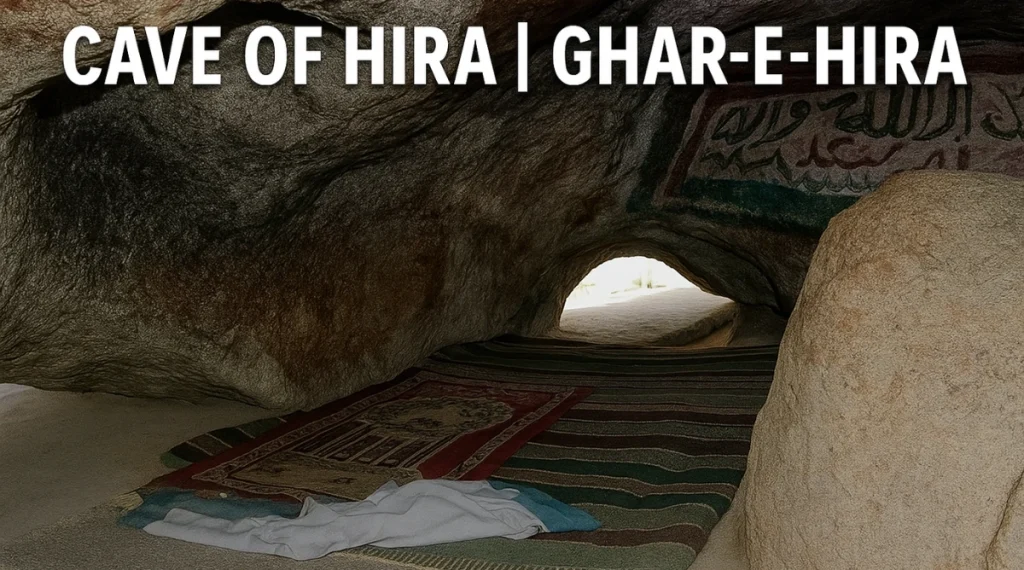
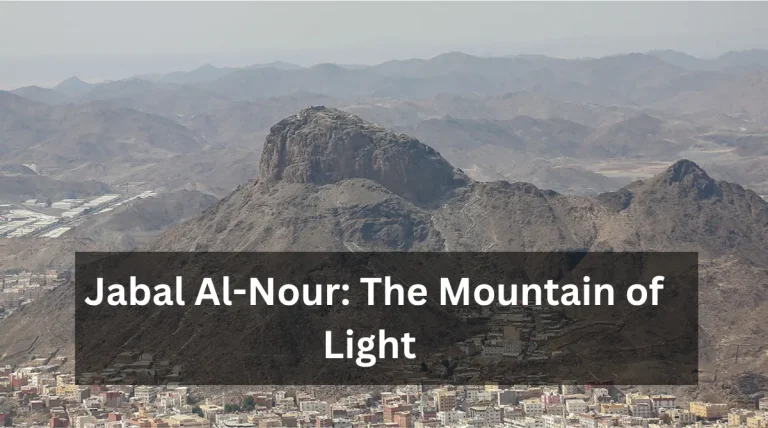
Located on the majestic Jabal al-Noor (Mountain of Light), Cave Hira (also known as Ghar-e-Hira) holds a profound place in Islamic history. It is the site where Prophet Muhammad ﷺ received the first revelation of the Quran from Allah (SWT) through Angel Jibreel (Gabriel). This cave, perched atop a steep mountain, marks the beginning of Prophet Muhammad ﷺ’s mission as the final messenger of Allah (SWT). The spiritual significance of this site is immense, and it continues to inspire millions of Muslims around the world.
In this article, we will explore the historical and spiritual significance of Cave of Hira, its physical features, the first revelation, and its continued importance in the lives of Muslims today.
Where Exactly is Cave Hira? Location and Quick Facts
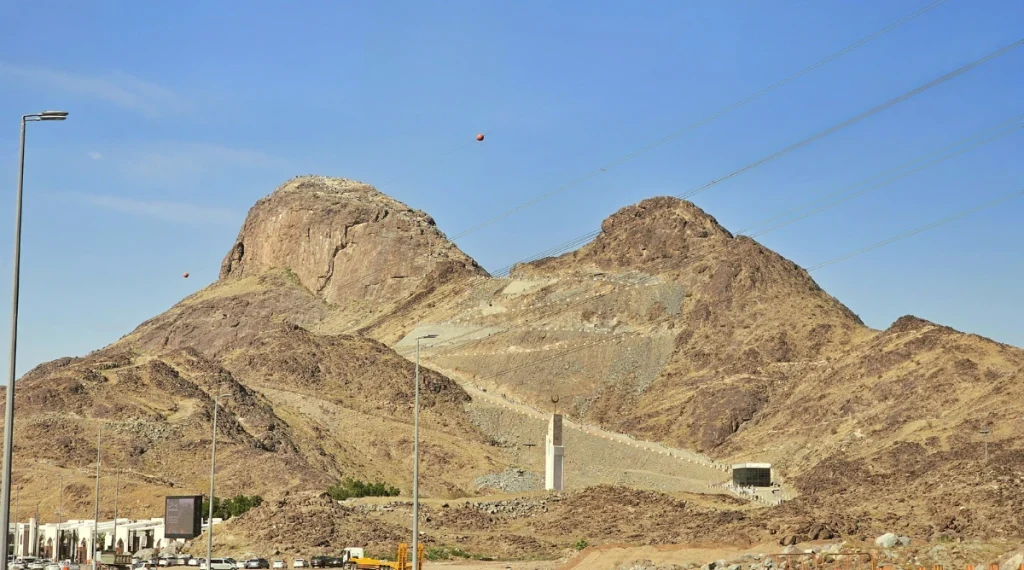
Cave of Hira ( Ghar-e-Hira) sits atop Jabal al-Noor, which translates beautifully to “Mountain of Light.” The name couldn’t be more fitting—this is where the light of divine revelation first touched our world.
| Detail | Information |
| Mountain Name | Jabal al-Noor (Mountain of Light) |
| Distance from Masjid al-Haram | Approximately 4 kilometers (2.5 miles) |
| Elevation | 634 meters (2,080 feet) above sea level |
| Cave Dimensions | 4 meters long × 1.5 meters wide |
| Coordinates | 21.4167° N, 39.8197° E |
| Direction | Cave entrance faces toward the Kaaba |
What makes this location even more special? The cave’s entrance directly faces the Kaaba. Imagine Prophet Muhammad ﷺ sitting there, looking toward the House of Allah, completely unaware that he was about to receive a message that would guide humanity for all time.
When you Perform Umrah, you’re just a short journey away from this incredible site. Many pilgrims include Cave of Hira in their Umrah Package 2026 itinerary, along with other significant locations like Mount Uhud.
The Historical Significance of Ghar-e-Hira: Why Did Prophet Muhammad ﷺ Choose This Cave?
The Search for Truth in a Troubled Society
Picture Makkah in 610 CE. The city was drowning in idol worship, social injustice was rampant, and moral corruption had become the norm. Prophet Muhammad ﷺ, even before prophethood, was deeply troubled by what he saw around him.
He had earned the title “Al-Amin” (The Trustworthy) because of his honesty and integrity. But something was missing. His soul yearned for answers, for truth, for a way to help his suffering community.
So he did what many seekers of truth do he retreated into solitude.
The Practice of Tahannuth: Spiritual Preparation
Before receiving the first revelation, Prophet Muhammad ﷺ practiced a form of worship called tahannuth, which involved meditative reflection and purification. This practice was linked to the Hanif tradition, the pure faith of Prophet Ibrahim (AS), which emphasized the worship of Allah alone.
Prophet Muhammad ﷺ would spend days, sometimes entire weeks, in Cave Hira practicing what was called tahannuth—a form of worship involving:
- Deep meditation and reflection
- Spiritual purification
- Connecting with the monotheistic tradition of Prophet Ibrahim (AS)
- Contemplating the state of humanity
- Seeking divine guidance
He wasn’t just randomly sitting in a cave. He was preparing himself, though he didn’t know it yet, for the greatest responsibility any human would ever carry.
The Night That Changed Everything: The First Revelation
Laylat al-Qadr in Ramadan 610 CE
It was one of the final nights of Ramadan. Prophet Muhammad ﷺ, now 40 years old, was deep in meditation inside Cave Hira. Suddenly, the cave filled with a presence unlike anything he had ever experienced.
Angel Jibreel (Gabriel) appeared before him in his true form, filling the entire horizon. The angel commanded: “Iqra!” (Read!)
“I cannot read,” the Prophet ﷺ replied, trembling.
The angel embraced him so tightly he could barely breathe, then released him and commanded again: “Iqra!”
Again, “I cannot read.”
A third time, the angel embraced him with overwhelming force, then revealed the first five verses ever sent to humanity from Allah (SWT):
The angel then revealed the first five verses of Surah Al-Alaq (96:1-5):
اقْرَأْ بِاسْمِ رَبِّكَ الَّذِي خَلَقَ ❁ خَلَقَ الْإِنسَانَ مِنْ عَلَقٍ ❁ اقْرَأْ وَرَبُّكَ الْأَكْرَمُ ❁ الَّذِي عَلَّمَ بِالْقَلَمِ ❁ عَلَّمَ الْإِنسَانَ مَا لَمْ يَعْلَمْ ❁
“Read in the name of your Lord who created,
Created man from a clot of blood.
Read, and your Lord is the Most Generous,
Who taught by the pen,
Taught man that which he knew not.”
These 19 words in Arabic changed everything. They emphasized knowledge, learning, and the dignity of human creation. They were the beginning of 23 years of divine revelation.
The Prophet’s Fear and Khadijah’s رضي الله عنها Unwavering Support in the First Revelation
Prophet Muhammad ﷺ was terrified. He fled down the mountain, shaking and confused. Halfway down, he heard a voice from the heavens:
“O Muhammad, you are the Messenger of Allah, and I am Jibreel.”
He rushed home and asked his beloved wife Khadijah (RA) to cover him, saying, “Zammilooni, zammilooni!” (Cover me, cover me!)
Khadijah (RA) didn’t panic. She didn’t doubt. Instead, she spoke words that still comfort Muslims today:
“Never! By Allah, Allah will never disgrace you. You maintain ties of kinship, you bear the burden of the weak, you help the poor and destitute, you serve your guests generously, and you assist those afflicted with calamities.”
She then took him to her cousin, Waraqah ibn Nawfal, a scholar of previous scriptures. Waraqah confirmed what had happened: “This is the same angel that was sent to Moses. I wish I could be alive when your people drive you out.”
The Prophet ﷺ was shocked: “Will they drive me out?”
“Yes,” Waraqah replied, “Never has a man come with something similar to what you have brought but was treated with hostility.”
Planning Your Visit: The Journey to Cave Of Hira
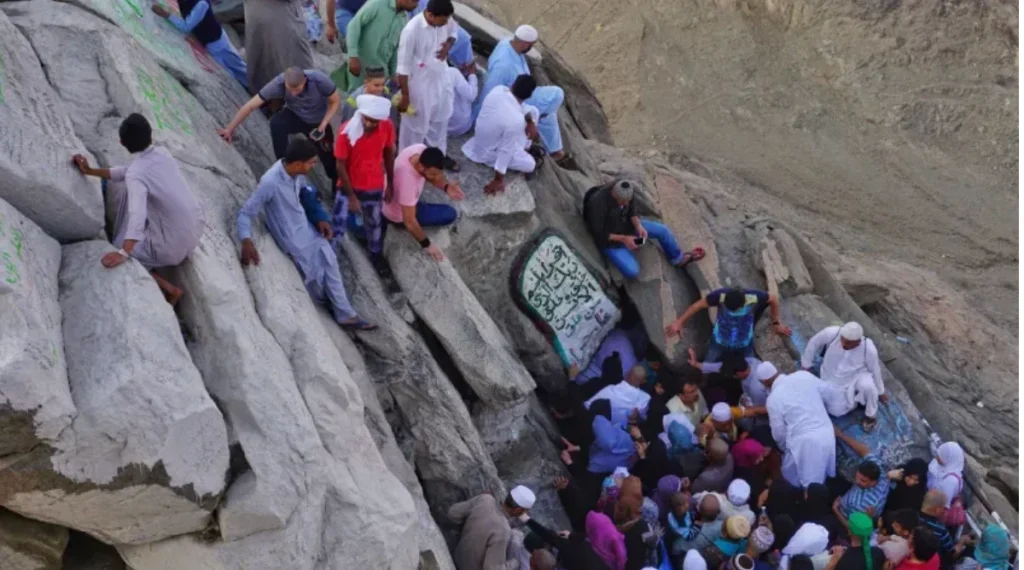
The Climb: What You Need to Know
Let me be honest with you climbing to Cave of Hira isn’t easy. It’s not meant to be. The physical challenge mirrors the spiritual journey.
Climbing Statistics:
| Aspect | Details |
| Average Climb Time | 1.5 to 3 hours (depending on fitness) |
| Difficulty Level | Moderate to Challenging |
| Best Time to Climb | Early morning (5-7 AM) or late afternoon (4-6 PM) |
| Steps | Approximately 1,750 irregular steps |
| Path Type | Rocky, uneven terrain |
| Crowd Level | Can be busy during Hajj and Ramadan |
Practical Tips for Pilgrims:
- Start Early: The best time to climb is early in the morning or late in the afternoon to avoid the afternoon heat.
- Wear Comfortable Shoes: The climb is rocky and uneven, so proper footwear is essential.
- Bring Water and Snacks: Staying hydrated is crucial, especially during the climb.
- Take Breaks: The path is long and challenging, so it’s important to rest at intervals.
Is Visiting Ghar-e-Hira Part of Hajj or Umrah?
Here’s something important to understand: Visiting Cave Hira is NOT a required part of Hajj or Umrah rituals. It’s completely voluntary.
The Prophet ﷺ himself didn’t instruct his companions to visit the cave after it became a historical site. Islam doesn’t encourage ritualistic attachment to places beyond the designated acts of worship.
However, visiting as a means of:
- Reflecting on Islamic history
- Connecting with the Prophet’s ﷺ journey
- Gaining spiritual inspiration
- Understanding the context of revelation
The Spiritual Lessons From Cave Hira
What Can We Learn Today?
The story of Cave Hira teaches us powerful lessons relevant to our modern lives:
1. The Value of Solitude
In our hyperconnected world, Prophet Muhammad ﷺ shows us the importance of disconnecting to reconnect—with ourselves, with our purpose, and with Allah (SWT).
2. Preparation Precedes Purpose
The Prophet ﷺ spent years in spiritual preparation before receiving his mission. Success in any field requires the same dedication.
3. The Importance of Support Systems
Khadijah’s (RA) immediate belief and support reminds us how crucial it is to have people who believe in us during our moments of doubt.
4. Knowledge is Sacred
The first word revealed was “Read”—not “pray,” not “fight,” but “read.” Islam places knowledge at the very foundation of faith.
FAQ’s
Final Reflection: Standing Where Revelation Began
Cave Hira is not just a historical site, but a spiritual landmark in the life of Prophet Muhammad ﷺ. It marks the place where the first revelation of the Quran was sent to Prophet Muhammad ﷺ, forever changing the course of history. By visiting this sacred site, pilgrims are reminded of the Prophet’s ﷺ spiritual journey and the deep solitude and reflection that he sought in preparation for his prophetic mission.