List Of Ziyarat Places in Makkah You Should Visit After Umrah or Hajj
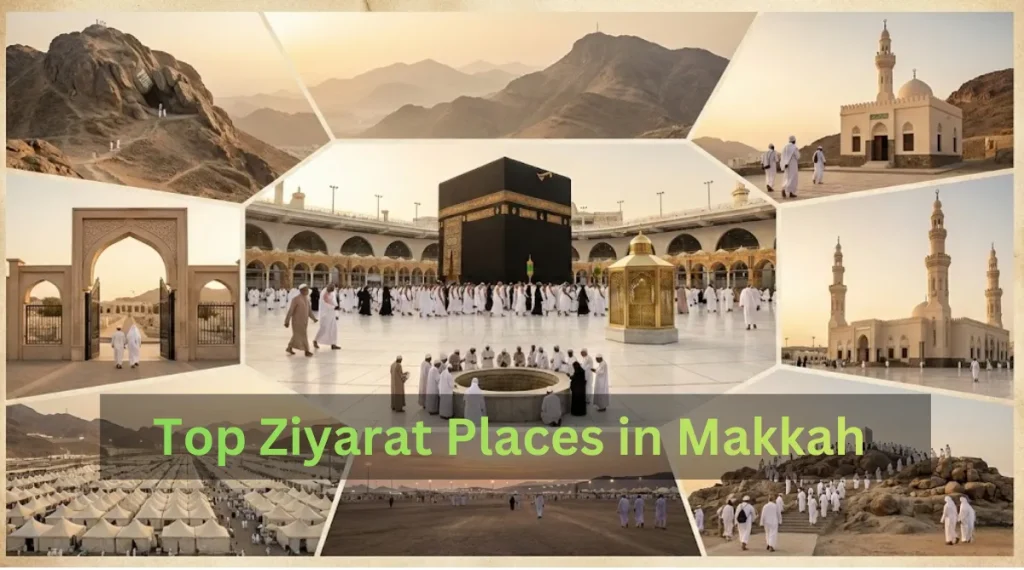
Standing before the Kaaba for the first time is an indescribable moment for every Muslim. But beyond the Grand Mosque, Makkah holds countless sacred sites where history was made and faith was tested. After completing your Umrah or Hajj, these 18 Ziyarat places will deepen your connection to Islamic heritage and transform your pilgrimage into an unforgettable spiritual journey.
Purpose of the Ziyarat
Ziyarat refers to visiting sacred sites to honor the Prophet (PBUH), his companions, and significant figures in Islamic history. These visits offer pilgrims the chance to reflect on Islamic teachings and gain Barakah (blessings) by connecting spiritually with the places that hold deep religious value.
How Many Ziyarat Places Are There in Makkah?
While the exact number of Ziyarat places in Makkah can vary depending on interpretation, there are at least 18 key locations that are commonly included in a Ziyarat tour. These sites are spread across the city and represent the deep spiritual and historical significance of Makkah in Islam.
The Holiest Sites in Makkah
The Holy Kaaba (Masjid al-Haram)
The Kaaba is the focal point of Islamic worship and the most sacred structure in Islam. Pilgrims perform Tawaf (circumambulation) around it during both Hajj and Umrah.
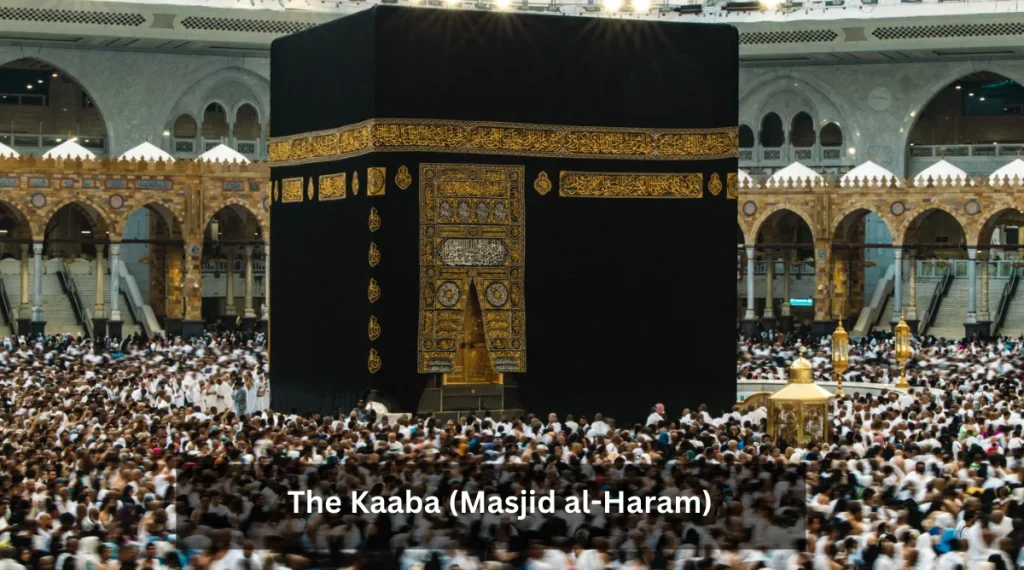
Key Components:
- Hajr al-Aswad (The Black Stone): Pilgrims kiss the stone during Tawaf as a symbol of devotion.
- Maqam Ibrahim (Station of Ibrahim): The stone with Prophet Ibrahim’s (A.S.) footprints.
- Zamzam Well: The holy water that quenched the thirst of Hazrat Ismail (A.S.).
Significance: The Kaaba represents the unity of the Muslim ummah (community) and symbolizes the oneness of God.
Maqam Ibrahim (Station of Ibrahim)
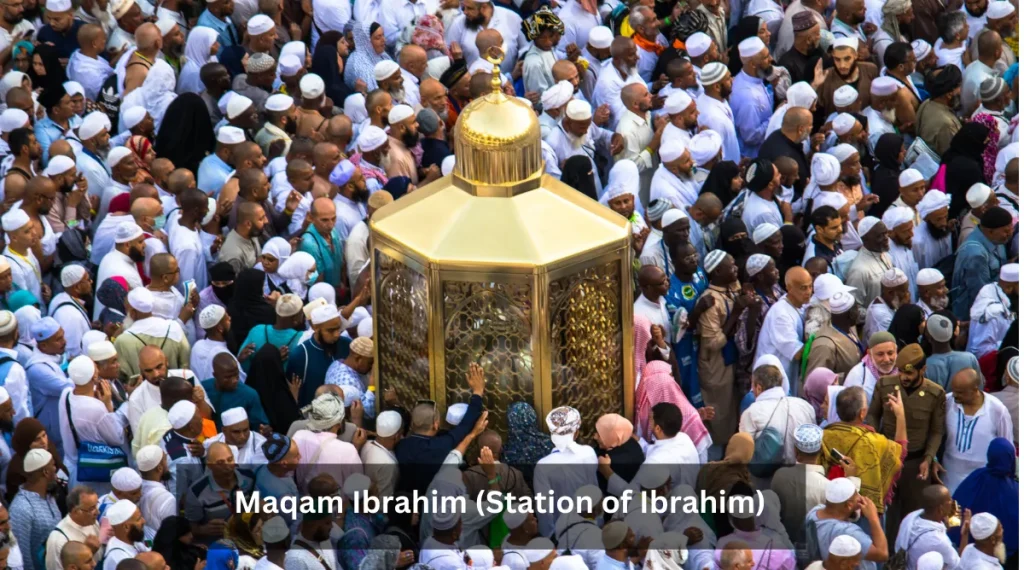
Located near the Kaaba, Maqam Ibrahim marks where Prophet Ibrahim (A.S.) stood while building the Kaaba.
- Ritual: Pilgrims offer two Rakats behind Maqam Ibrahim after completing the Tawaf.
Importance: It connects Muslims to the legacy of Prophet Ibrahim (A.S.), who played a central role in the establishment of the Kaaba.
Hajr al-Aswad (The Black Stone)
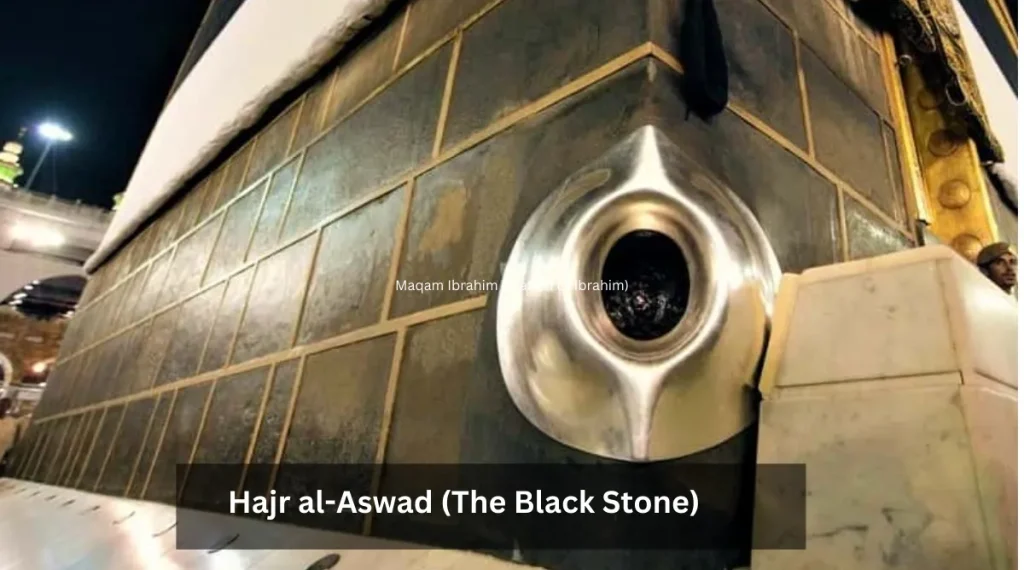
The Black Stone was sent to Prophet Adam (A.S.) by Angel Jibreel.
- Custom: Pilgrims kiss or touch the stone during Tawaf as a sign of submission to Allah.
Significance: It is a symbol of unity, with Muslims from all over the world performing Tawaf while facing the Kaaba.
Zamzam Well
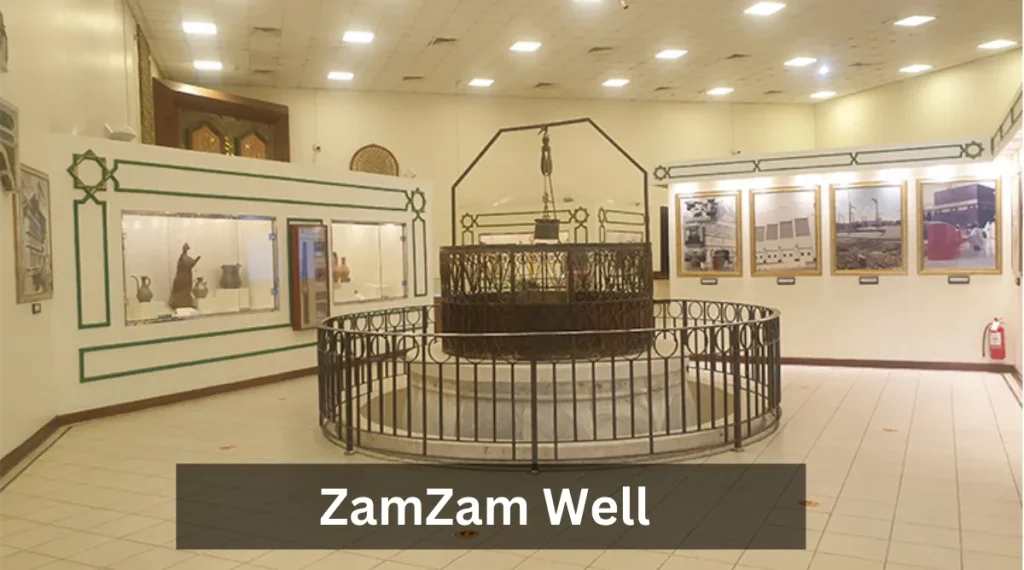
The Zamzam Well is where Hazrat Hajar (RA) found water for her son, Hazrat Ismail (A.S.).
- Significance: The water is sacred and is consumed by millions of pilgrims every year. It is believed to offer physical and spiritual benefits.
Sacred Historical Locations
Cave of Hira (Ghar-e-Hira)
Located on Jabal al-Noor (Mountain of Light), the Cave of Hira is where Prophet Muhammad (PBUH) received the first revelation of the Quran from Angel Jibreel.
- Historical Context: The cave is a place of reflection, where the Prophet (PBUH) meditated before receiving divine guidance.
Cave of Thawr (Ghar-e-Thawr)
Located on Jabal al-Thawr, this cave is where Prophet Muhammad (PBUH) and Abu Bakr (RA) hid during their migration (Hijrah) to Madinah.
- Significance: The cave’s miraculous protection, with a spider’s web and pigeon’s nest, symbolizes Allah’s divine intervention.
Jabal al-Rahma (Mount of Mercy)
Located in Arafat, Jabal al-Rahma is the site where Prophet Muhammad (PBUH) delivered his Farewell Sermon.
- Spiritual Significance: It is the focal point of Hajj and symbolizes mercy, forgiveness, and the completion of the message of Islam.
Jannat al-Mu’alla (Cemetery of Makkah)
This cemetery is where several key figures from Islamic history are buried, including Khadijah (RA), the Prophet’s first wife, and Abu Talib (RA), his uncle.
- Significance: Visiting this cemetery allows pilgrims to reflect on the sacrifices made by the early Muslims.
Important Mosques and Sites
Masjid e Ayesha (Masjid Taneem)
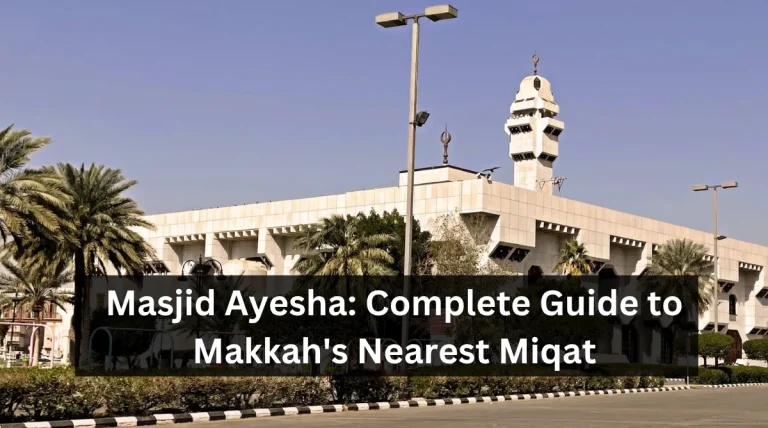
Located 7 km from Masjid al-Haram, Masjid Ayesha serves as a Miqat (station to enter Ihram) for performing Umrah.
- Significance: Pilgrims renew their Ihram here before starting the Umrah rituals.
Masjid al-Jinn
This mosque is where a group of Jinn listened to Prophet Muhammad (PBUH) recite the Quran and accepted Islam.
- Historical Significance: It is a place of reflection on the unseen world’s connection to Islam.
Masjid al-Fatah (Masjid al-Rayah)
Located near the Kaaba, this mosque commemorates Prophet Muhammad’s (PBUH) raising of the Islamic flag during the conquest of Makkah.
- Importance: It marks a moment of victory and the spread of Islam.
Ziyarat in Mina and Muzdalifah
Mina (The Tent City)
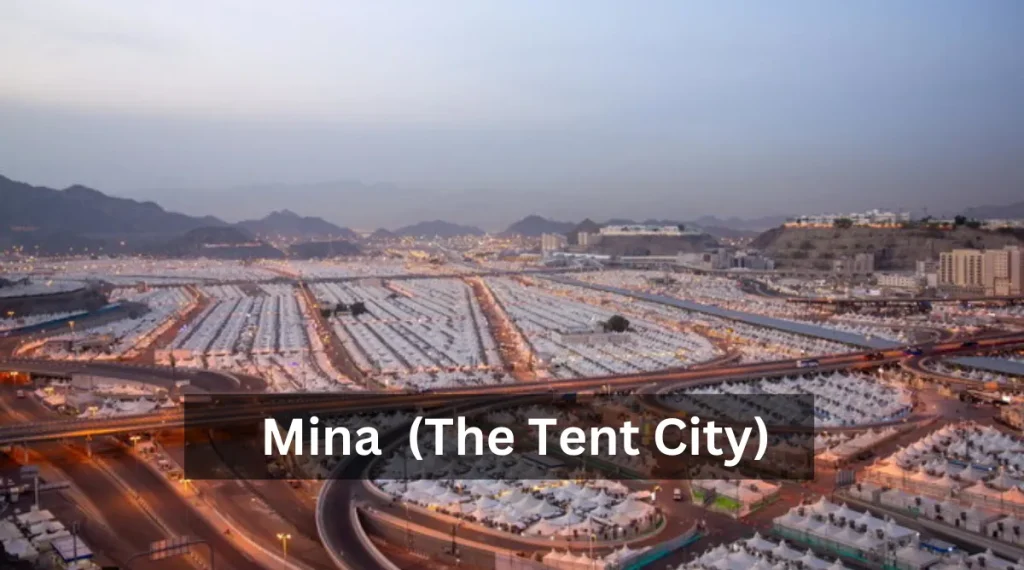
Mina is where pilgrims perform the Rami al-Jamarat (stoning of the devil) and offer sacrifices during Hajj.
- Significance: The Jamarat pillars are symbolic of Prophet Ibrahim’s rejection of Shaytan.
Muzdalifah
Between Arafat and Mina, Muzdalifah is where pilgrims gather pebbles for the stoning ritual and spend the night under the open sky.
- Spiritual Significance: A time for reflection and rest during Hajj.
Lesser-Known but Significant Ziyarat Places
Masjid al-Khayf (Mina)
This mosque in Mina is where Prophet Muhammad (PBUH) and other Prophets prayed.
- Significance: A place of worship linked to the early days of Islam.
Masjid al-Jurana
Located near Mina, this mosque is the Miqat for pilgrims from Taif.
- Significance: It is a key site for pilgrims performing Umrah.
Shabeka Graveyard
Shabeka Graveyard is believed to be the burial site of Sumayya bint Khayyat (RA), the first martyr in Islam.
- Significance: A place to honor the early sacrifices in Islam.
Historical Monuments
Nahr-e-Zubaida (Zubaida Canal)
This canal was commissioned by Queen Zubaida to provide water for Hajj pilgrims.
- Significance: It is a remarkable feat of engineering, still admired for its historical value.
Hudaibiyah
The site of the Treaty of Hudaibiyah, which was a pivotal moment in Islamic history.
- Significance: A symbol of peace and the spread of Islam.
What is the Most Visited Place in Makkah?
When it comes to Makkah, there’s no question about the most visited site, it’s the Kaaba inside Masjid al-Haram. Every year, millions of pilgrims from around the world make their way to Makkah, all gathered around this sacred structure to perform Tawaf (the act of walking around the Kaaba) and offer their prayers.
The Kaaba isn’t just a focal point for Hajj and Umrah; it’s the heart of the Islamic world. Muslims face the Kaaba in prayer every day, making it the ultimate spiritual center. Simply put, it’s the soul of Islam.
How Much Does Makkah Ziyarat Cost?
Planning your Makkah Ziyarat trip? The cost can vary depending on how you choose to travel. Here’s a breakdown:
- Private Ziyarat Guide: This is the most flexible option. Expect to pay anywhere between 250 to 600 SAR for a full tour. This usually includes around 7-10 stops and takes 3-5 hours.
- Group Tours: If you prefer to go with a group, these tours often come with a guide and are typically more affordable. The price is usually set by the tour operators.
- Hotel Packages: Some hotels also offer packages for Ziyarat, often bundled with accommodation. It’s a convenient option if you’re staying at a local hotel.
How Long Does Makkah Ziyarat Take?
If you’re short on time, a standard Ziyarat tour usually lasts 3 to 4 hours. But, here’s the thing if you really want to take your time at each site, consider stretching it to 6 hours. The beauty of Ziyarat is not just visiting the places, but truly reflecting on their spiritual significance.
For those who prefer a more relaxed schedule, private taxis are your best bet. They offer the freedom to stay longer at each stop and follow a flexible timeline.
How to Plan Your Ziyarat Trip in Makkah?
Planning is key to making your Makkah Ziyarat experience smooth and meaningful. Here’s how you can make the most out of your visit:
- Group Tours: If you want to follow a guided route, group tours are a popular choice. They usually include a guide who’ll help you understand the significance of each location. Plus, it’s a great way to meet fellow pilgrims!
- Private Ziyarat Taxi: For the ultimate flexibility, consider booking a private taxi. This gives you control over your timing and allows you to visit as many sites as you want, at your own pace. You can even choose a guide to enrich your journey.
How Much is a Makkah Ziyarat Taxi?
The price of a Ziyarat taxi in Makkah varies, depending on the vehicle type, the number of sites, and how long you plan to spend at each stop. Here’s a quick look at typical prices:
- Shared Taxi: Around 60 SAR per person — perfect if you don’t mind sharing with others.
- Standard Taxi: Expect to pay 250 SAR for a private ride.
- SUV or Van: Between 300-350 SAR if you prefer a bit more space and comfort.
- 4-Seater Car: Around 450 SAR for a cozy ride.
- Mini Bus (10-Seater): Costs about 650 SAR, ideal for small groups.
- Coach (49-Seater): For larger groups, a coach would cost about 900 SAR.
Choosing the right vehicle depends on how many people you’re traveling with and how comfortable you want to be during your Ziyarat journey.
Note: These prices are indicative and may vary based on time of year, vehicle availability, and local conditions. We recommend confirming the rates with your travel agency or taxi service provider in advance.
Including Ziyarat in Your Umrah Package
Many Umrah package providers or Umrah travel agencies include Ziyarat in their offerings, so you don’t have to worry about planning these visits separately. For example, KSA Travels offers Umrah packages that not only take care of the main pilgrimage rituals but also include Ziyarat to sacred places in Makkah and Madina.
Booking a package that includes Ziyarat makes the whole process more convenient, allowing you to explore the holy sites without the hassle of additional arrangements. Make sure to check with your travel agency if Ziyarat is part of their Umrah offerings for a seamless spiritual journey!
Frequently Asked Questions
What are the most important Ziyarat places in Makkah?
The most important Ziyarat places in Makkah include the Kaaba, Maqam Ibrahim, Hajr al-Aswad, and the Zamzam Well.
Is Ziyarat included in Umrah?
No, Ziyarat is not an official part of Umrah. However, it is highly recommended and commonly performed after completing the Umrah rituals.
How long does it take to complete a Ziyarat tour in Makkah?
A standard Ziyarat tour typically takes 3 to 4 hours, but it can last up to 6 hours if you choose a private taxi and want to reflect at each site.
How much does Makkah Ziyarat cost?
The cost of Ziyarat varies. A shared taxi costs around 60 SAR per person, while private taxis can range from 250 to 600 SAR, depending on the vehicle and number of stops.
Where can I book a Ziyarat tour in Makkah?
You can book a Ziyarat tour through travel agencies or arrange a private taxi. Many Umrah packages also include Ziyarat in their offerings.
Conclusion
Exploring the Ziyarat places in Makkah is more than a checklist, it’s a journey through faith, history, and spiritual connection.
These sites connect you to the rich history of Islam and offer a deeper spiritual experience. Whether it’s the Kaaba or the Cave of Hira, each Ziyarat site has its unique significance in Islamic history. Make time to visit these sacred locations and reflect on the devotion, sacrifice, and faith of those who came before you.
May your journey be blessed and your faith strengthened through these holy visits.